













01AI systems
AI systems
Agents, retrieval and language applications that do real work inside a business, not demonstrations.
- AI agents
- Retrieval & knowledge systems
- Messy document processing
Whole systems, end to end. We start with how the work actually happens, and hand over something your own team can run.
The work was never really visible. Leadership believes it runs through the platform; in practice a good deal of it runs through spreadsheets, re-keyed documents and people who know which fields to ignore.
AI has been layered on top of that, quickly, and often without controls. Software now makes decisions inside processes nobody had mapped, with permissions nobody set deliberately and a record nobody kept.
That was survivable while nobody was asking. It is not any more. Regulators, customers and auditors now expect organisations to produce an inventory of the AI they run, evidence of how it was built and tested, and a record of what it did. Most cannot.
This is an engineering problem before it is a compliance problem. Controls that were never built cannot be documented after the fact.
Most projects draw on more than one. A system that only exists in one of them does not run in production.
Agents, retrieval and language applications that do real work inside a business, not demonstrations.

The interfaces people actually use — internal tools, review dashboards and the consoles that keep a system supervised.
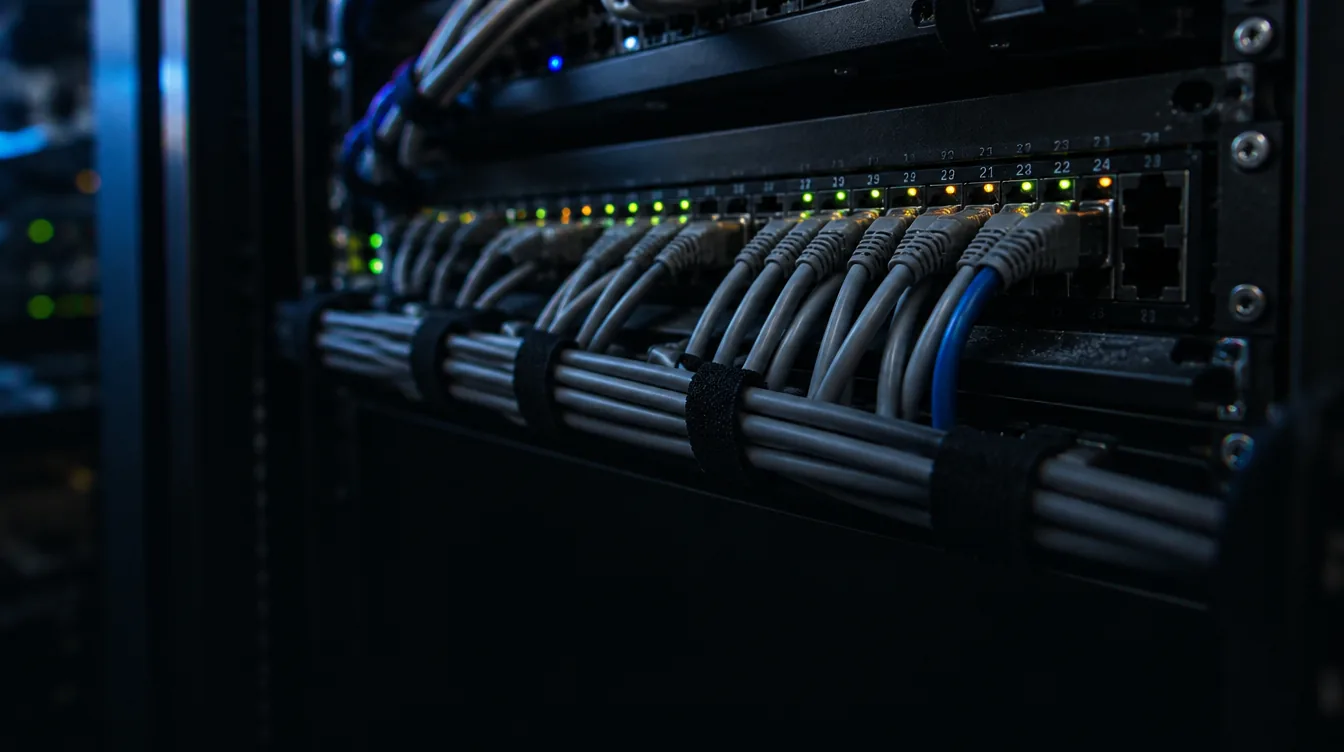
Connecting the systems you already run, so nobody reconciles anything by hand.

The platforms, pipelines and definitions that reporting and AI both depend on.
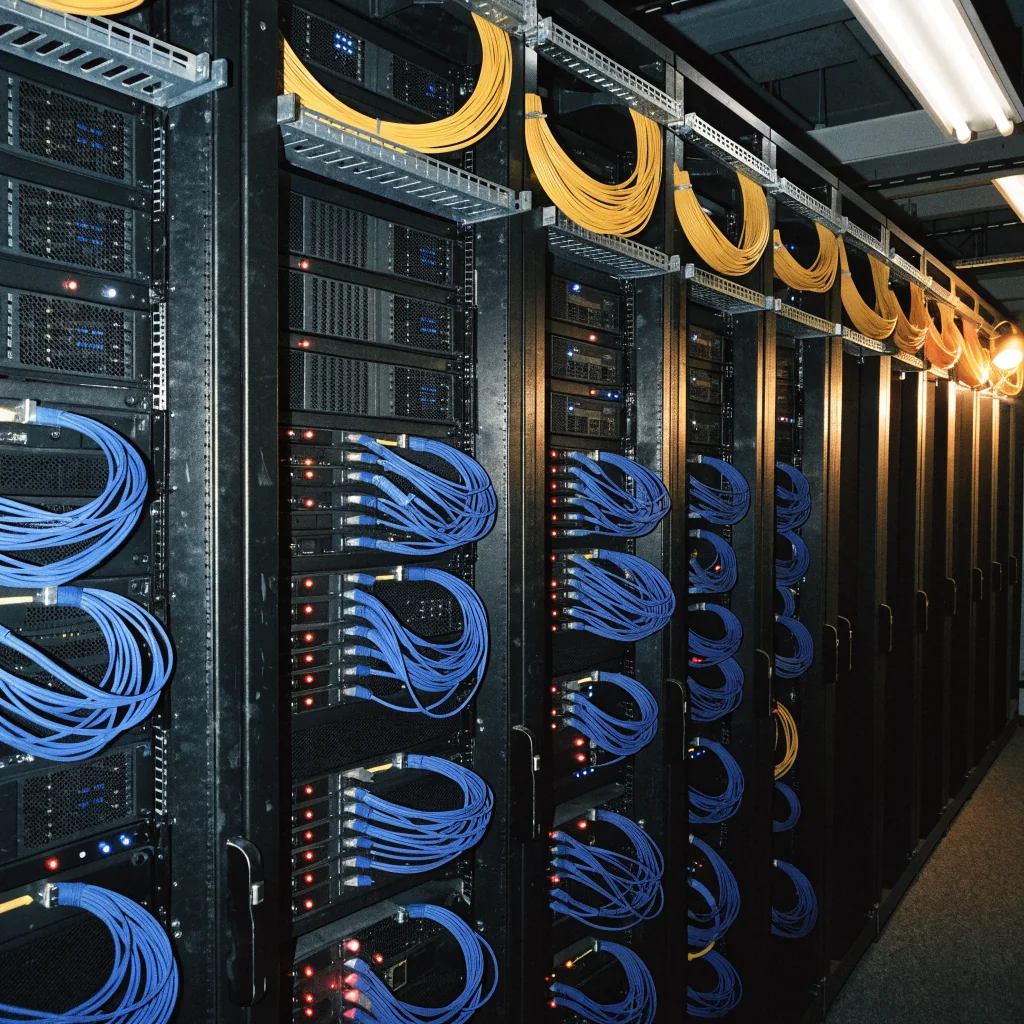
The foundation everything runs on, and the pipeline that gets it there verifiably.
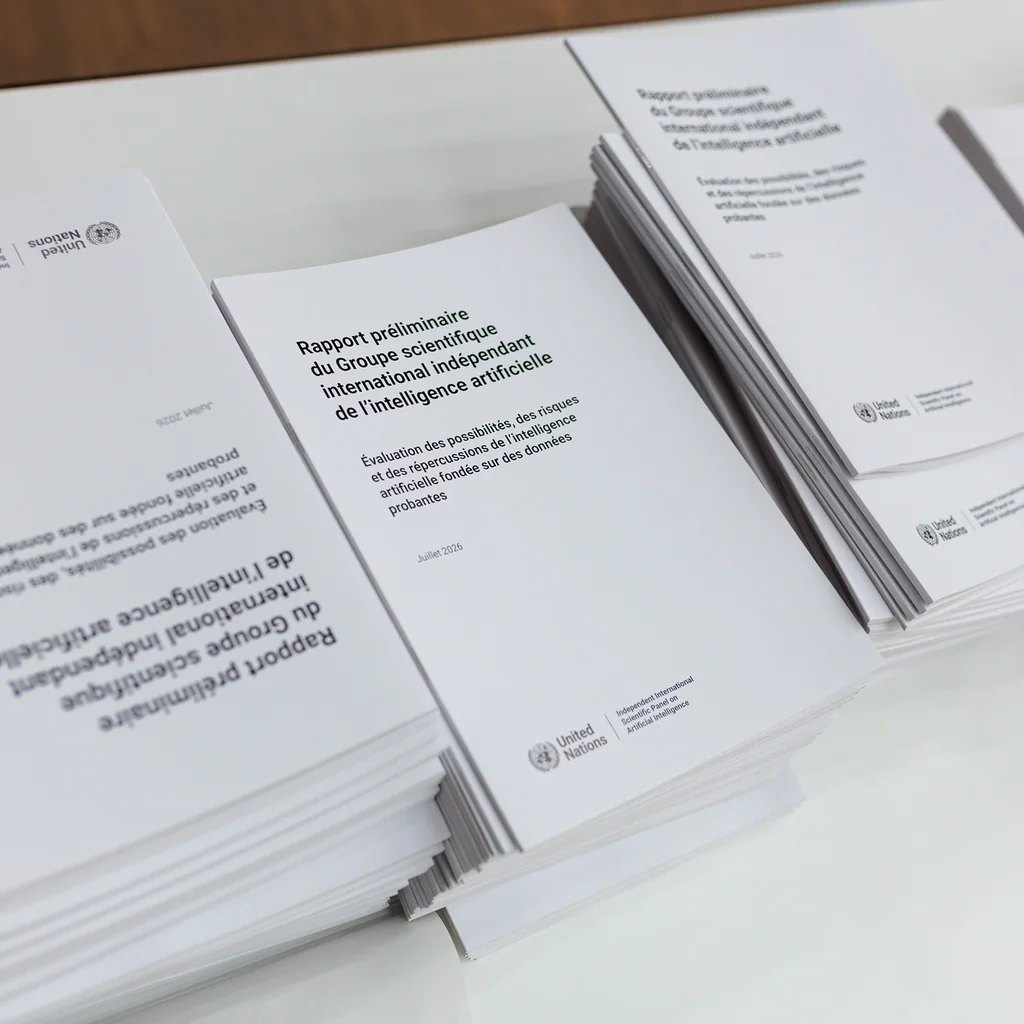
The documentation, logging and oversight that let you evidence what your systems do.
Most firms describe their engineering practice in adjectives. Ours is written down, versioned, and public — the same document we work to and the same one you can hold us to.
It covers how we handle your data and credentials, how code is reviewed and released, how AI systems are scoped and tested, and what happens after we leave.
Built against the standards the industry actually uses:
Top 10 for LLM Applications and for Agentic Applications
SP 800-218, and 800-218A for generative AI
Build Level 3
govern, map, measure, manage
cloud benchmarks
Every project ships with these as standard, not on request:
You own all of it. None of it is contingent on continuing to work with us.
The same engineering, applied where the manual work is heaviest and the tolerance for error is lowest.
We work inside your existing stack — your cloud, your data platform, your model providers, your tools. The first thing we do is understand how the work runs today.
Your platforms, your accounts, your repositories. Everything we build is handed over and runs without us.